While My Schoolmates Played With Barbies, I Faced Heavy Periods: A Personal Story
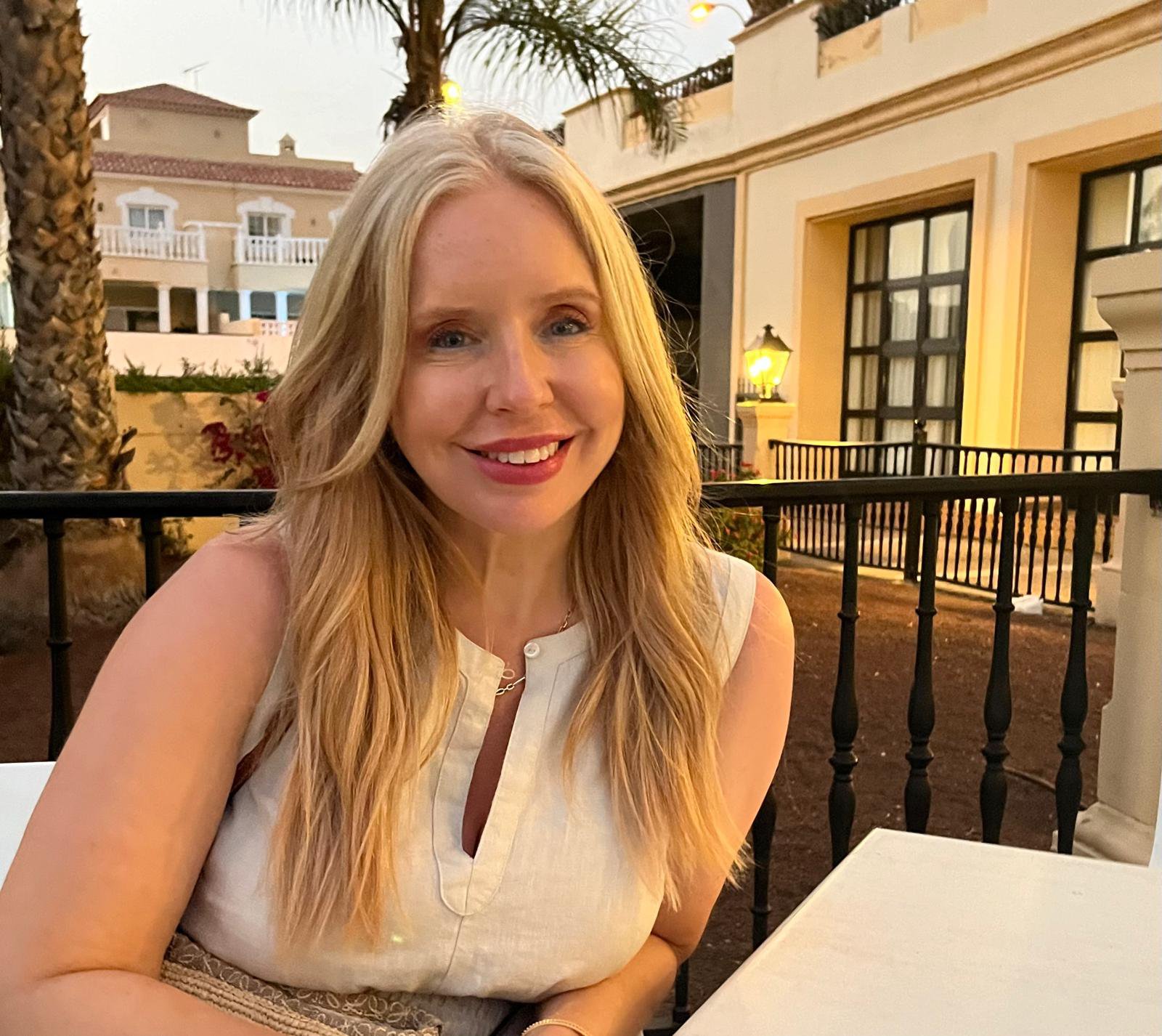
Every time I celebrate another birthday, I silently utter a 'thank you.' It’s not only for the gift of aging gracefully with good health, but also because as the years go by, my menstrual flow has grown much lighter.
Previously, they've prevented me from swimming , enjoying vacations, even attending events.
So, when I heard that heavy, prolonged periods and severe menstrual pain are linked with lower school presence and lower GCSE scores, I wasn’t at all taken aback.
The reason? Because for years in my youth I endured heavy periods that made my life hell.
I started my periods Early on—when I was about 11—I became the first girl in both my class and circle of friends to experience menstruation. As many of them were still engrossed with Barbie dolls, I found myself carrying a bunch of heavy-duty sanitary pads in a bag, anxiously trying not to be noticed as I searched for a bathroom.
I experienced intense bleeding right from the beginning. My cycle didn’t ease into lighter days; it started with a strong, heavy flow instead.
During the initial forty-eight hours of my menstrual cycle, the discomfort would be so intense that I required relief. hot water bottle , and would gnaw at my pillow in pain.
Tired and drained, I often found myself unable to attend school the following day. Instead, I'd have my mom call in saying I was ill. On such days, I would stay in bed, repeatedly warming up the hot water bottles, popping painkillers, and shedding tears.
I missed some classes and then devoted the following week to getting back on track.
I believe I missed around 15 days of school annually due to my menstrual cycles. However, since I felt ashamed whenever other girls inquired about my absences, I often fabricated reasons like having a cold or needing to visit the dentist. Saying "it was my period" appeared too trivial and might come across as attention-seeking.
What added to the problem was that my periods would frequently begin unexpectedly as well.
As a teenager once, I was outside a cinema (putting on a white skirt just to be safe) when my period suddenly began.
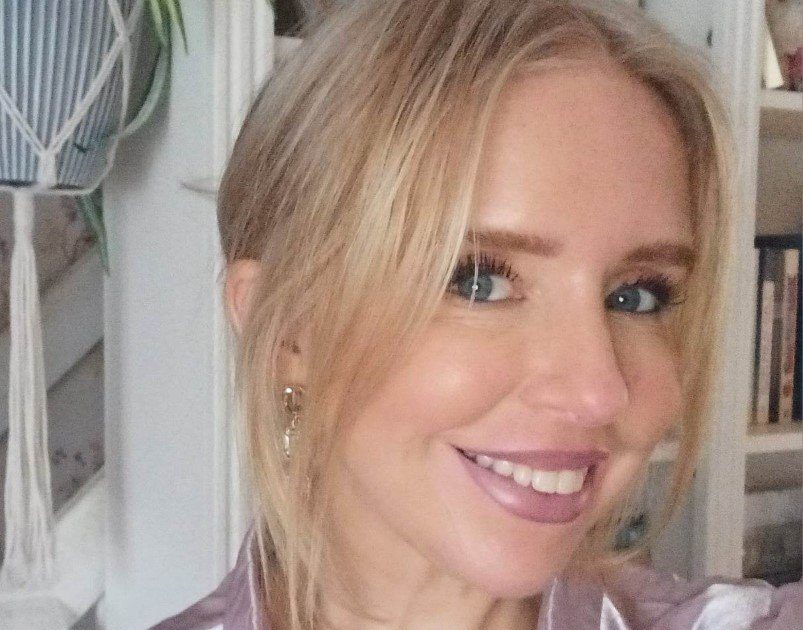
A girl in line quietly informed me, after which I remained seated for the remainder of the movie, with my jumper placed beneath me, feeling anxious about having to stand once more. My skirt was bright red. Overwhelmed with embarrassment, I left in tears and headed back home.
Occasionally, it occurred when I sat on a bus, leaving my jeans discolored. Another time, it happened at a friend's house while seated on their couch. However, school was the most problematic place for such incidents.
As I grew older and schoolwork became more crucial, I had no option but to push through – regardless of any pain.
I'd take extra paracetamol and wear two maternity-style garments. sanitary towels Underneath my skirt, I wore multiple pairs of pants to make sure I wouldn't leak through during class and cause embarrassment. Yet, I occasionally still had awkward leakage incidents.
This ongoing anxiety made focusing challenging; I was much more concerned about potential leaks than paying attention to fractions. Whenever I needed to stand up in class, a wave of apprehension washed over me. Had I bled through my uniform? Was there blood on my leg? It was so stressful.
I thought it would become simpler as I grew older—but I was mistaken.
After university And when I landed my initial job, I continued experiencing heavy periods. As a probationary reporter, my role required me to work at a desk, and every time my period arrived, I dreaded rushing to the restroom for fear of leakage.
I'd put on two layers of pants along with two thick and uncomfortable sanitary pads, yet they still managed to leak through onto my always-black trousers — I needed them for hiding any stains. It was terrible.
I had been longing for ages to simply have the initial couple of days of my period off—enough time to remain at home and manage the leaks and discomfort without leaving. However, back in 1999, menstruation wasn't something people talked about as openly as they do today.
I continued this way for years, even decades – always worried about leakages, wearing jumpers tucked around my waist, with paracetamol constantly within reach.
I understand there will be critics who believe we should simply 'move forward' with it.
QuoteQuote
This went on until I had my first child at the age of 31. Oddly enough, following the birth of my son, birth , my periods became a lot lighter. Things got better. At last I could wear only one sanitary towel and ditch the second pair of emergency pants.
When I learned that 36% of girls experiencing heavy or prolonged menstruation periods ended up missing an extra 1.7 days of school annually, it deeply resonated with me.
I recalled my younger self, playing truant due to fear and shame, suffering at home instead of preparing for GCSE exams, and wondered: how long will we allow this to go on?
At least in Spain, people like me with heavy periods have been offered an opportunity to avoid going to work feeling uneasy or ashamed, yet we still need to take additional steps in the UK to assist girls and women dealing with this issue monthly.
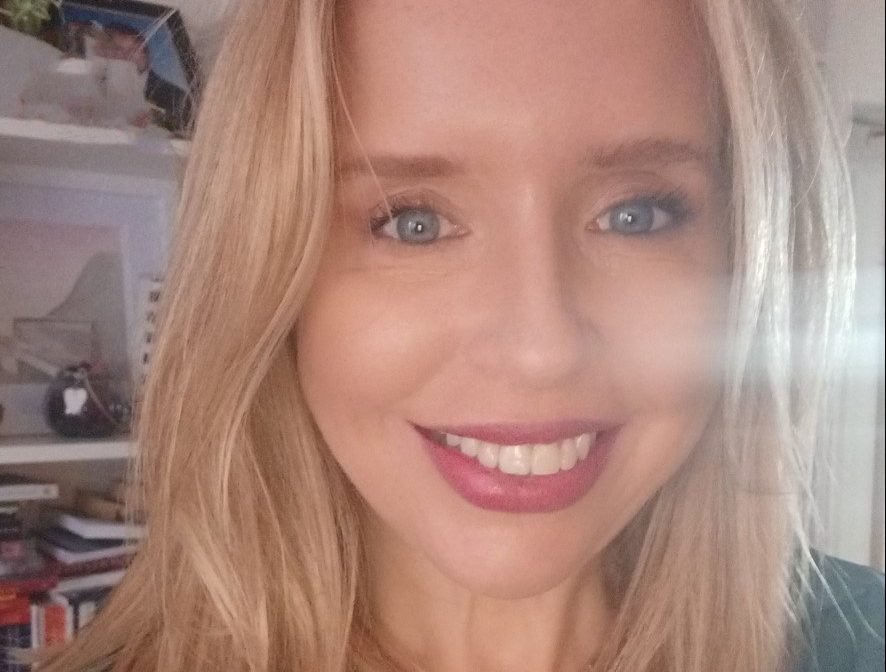
Having even one period day off could make a difference — you'd manage your heaviest flow days more comfortably at home, free from worries of unexpected leakage. Since the pandemic has shown us effective methods for continuing children’s education outside the physical classroom, now is the time to start putting these into practice.
I understand there will be those critics who believe we should simply 'move forward' — however, they clearly haven’t experienced the horror of severe menstrual bleeding.
Send a young male student home every month due to heavy bleeding through his pants at school, or cause a similar situation with an adult male on his way to work, and observe how swiftly legislation for paid menstrual leave would be enacted.
As Professor Gemma Sharp, an associate professor of epidemiology at the University of Exeter, who oversaw the study, points out, this isn’t about women and girls lacking capability due to their menstrual cycles; rather, it highlights how society fails to accommodate individuals during their period.
It’s high time we showed more understanding towards women facing heavy bleeding issues both at school and in the workplace.
Would you like to share your story? Reach out via email for more details. jess.austin@.co.uk .
Share your views in the comments below.
Subscribe to 's The Slice newsletter for your go-to resource on all things happening in London, featuring reliable reviews, promotions, and contests.


Post a Comment for "While My Schoolmates Played With Barbies, I Faced Heavy Periods: A Personal Story"