Julian Fellowes Slams Duchy of Cornwall for Lack of Conscience in Building 100 Homes Near Thomas Hardy’s Cottage
The creator of Downton Abbey has said Prince William The Duchy of Cornwall has been criticized for having 'no conscience' following approval to construct 100 homes.
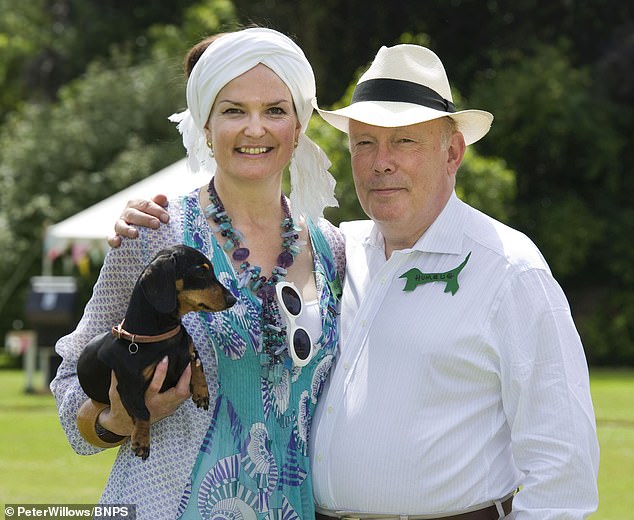
Lord Julian Fellowes is appealing to the royal estate to preserve the 'sacred land' adjacent to the historic residence of the Victorian novelist Thomas Hardy.
He mentioned that advancing development in areas so near to where the renowned author penned much of his masterpieces could complicate visitors' comprehension of Hardy's techniques.
The Thomas Hardy Society, where Lord Fellowes serves as president, has verified that they will contest the ruling.
They likewise alleged that the Duchy was attempting to seize control of Dorchester, pointing to King Charles The extensive designer village of Poundbury lies to the west of the market town.
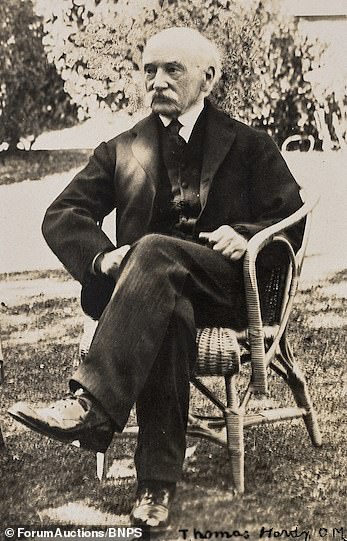
Hardy, an architect before he became a celebrated novelist, had Grade I Max Gate built in Stinsford on the outskirts of Dorchester in 1885.
It was during this time that he penned some of his finest works, such as "Tess of the d'Urbervilles," "The Mayor of Casterbridge," and "Jude the Obscure."
He was often inspired by the landscape that surrounded him. He renamed Wessex towns and villages in his books and graphically detailed the countryside he explored in them.
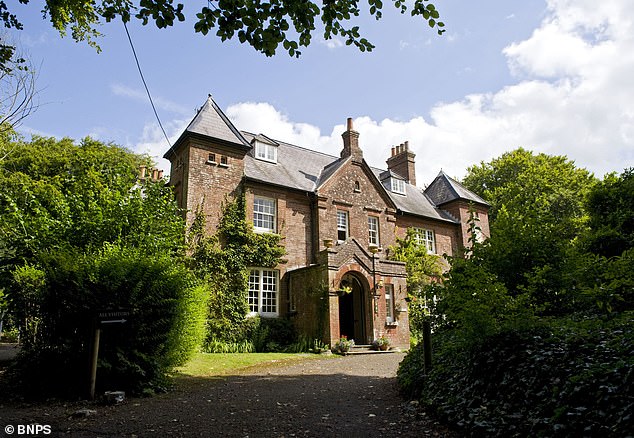
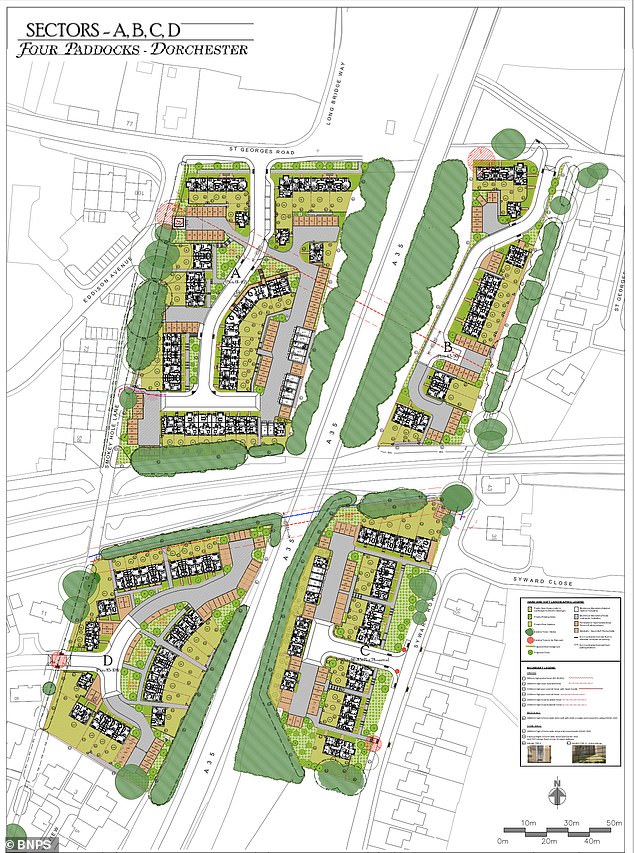
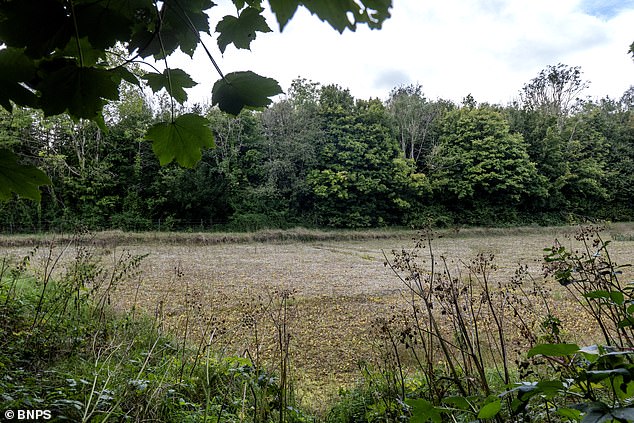
In 2022 C.G Fry, the Duchy of Cornwall's developers for Poundbury, submitted plans for 107 houses to be built on four paddocks of land to the north of Max Gate.
The Dorset Council has now given approval to the plans even with several objections raised.
Lord Fellowes, residing in the close-by village of West Stafford, stated: "Those who have endorsed this evidently lack an understanding of the county's heritage and the significance of Thomas Hardy to the region."
I truly fail to understand how the developers and the council, mature adults, could proceed with such actions in good conscience.
'I agree that steps must be taken regarding the lack of housing, yet there are numerous alternative locations where these structures can be erected without encroaching upon historically significant areas.'
'Future generations will find it far more challenging to genuinely grasp Hardy’s life and writings.'
Mark Chutter, chairman of the Thomas Hardy Society, stated: "This piece of land holds great significance regarding the life of Thomas Hardy."
I understand that constructing homes is crucial, but their placement must be strategic. They shouldn’t be built next to historical structures like Max Gate.
'I believe the Duchy of Cornwall ought to reconsider and acknowledge the significance of Hardy for the nearby areas.'
The progress should be halted to safeguard the land.
We already have Poundbury, which is land owned by the Duchy of Cornwall. It’s a massive project that they’re still developing, and now they plan to build something else very near to Max Gate.
Why must they be at that particular location out of everywhere?
'The Thomas Hardy Society plans to contest this and highlight the significance of the location.'
The Duchy of Cornwall was established in 1337 to provide an income for the heir to the throne.
It owns a significant amount of land totaling 130,000 acres and generates an annual profit of £24 million.
Following King Charles' accession to the throne in 2023, Prince William assumed control of the Duchy.
Mr Chutter remarked, "I am concerned that the Duchy of Cornwall appears to be dominating western Dorset."
Poundbury has been ongoing for years, and this appears to be the next phase. We are likely to see an influx of new constructions.
'With all the new constructions coming up, Dorchester’s essence will fade away and turn into something unidentifiable.'
Neil Mathews, who chairs the board of trustees for the Campaign toProtect Rural England in Dorset, stated: "We acknowledge the necessity of constructing additional homes; however, this must be carried out with respect and in an appropriate fashion."
Developers appear to be constructing big homes that definitely aren’t within reach for youngsters or those trying to purchase their first home and climb into the real estate market.
We hope the developers show respect for Max Gate and the ancient henge in the vicinity and do not dishonor the historically significant land.
I trust that the Prince of Wales will show interest in the development and hopefully be sensitive to the history and heritage. It’s important that he ensures the new houses remain affordably priced for everyone.
'There are also problems related to infrastructure. I'm aware that the closest doctor's clinic is operating at maximum capacity, and the schools have reached their limits as well.'
'The roads are already rammed.
'There is always the danger that this could be a slippery slope and more and more greenfield land becomes built on.'
In the submitted planning application, the Duchy recognized the closeness of the project to Max Gate, managed by the National Trust, but asserted that it wouldn’t negatively impact visitors' experiences.
The statement mentioned: "This alteration would not substantially impact the atmosphere of the house as perceived from the nearby surroundings, nor the ambiance inside its premises."
'Therefore, it can be deduced that the suggested development will not lead to any adverse impact on the importance of the house.'
They mentioned that the initiative will offer 'top-notch residences, incorporating affordable options, all while enhancing the distinct historical character of the region.'
Paul Hoffmann from CG Fry commented, "I don't believe that the suggested development would cause Max Gate to lose its importance."
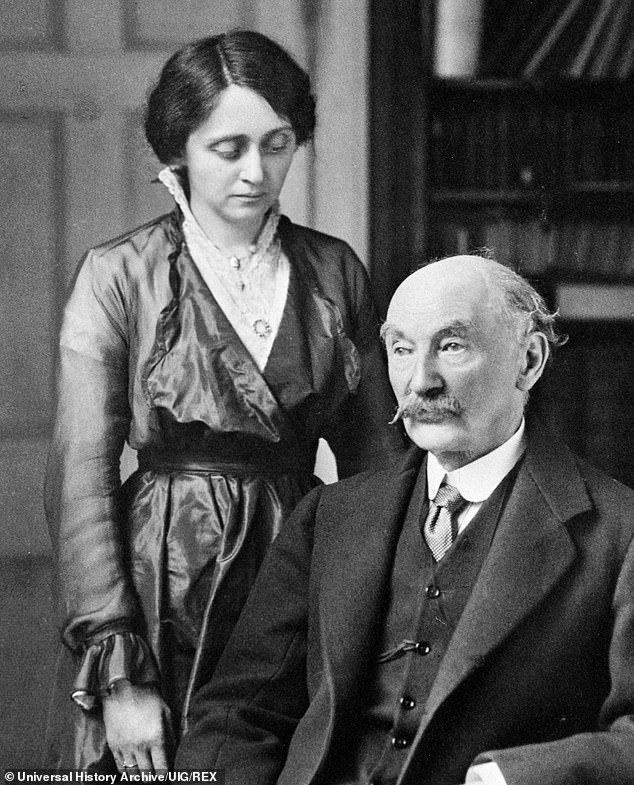
Hardy resided at Max Gate starting from 1885, initially with his wife Emma, followed by his second wife, Florence.
While on his deathbed at the property, he recited his last poem aloud.
Read more

Post a Comment for "Julian Fellowes Slams Duchy of Cornwall for Lack of Conscience in Building 100 Homes Near Thomas Hardy’s Cottage"