Invisible Lives: How denial fuels stateless suffering across Asean
KUALA LUMPUR – The prevailing attitude locally toward stateless individuals throughout Southeast Asia tends to be unfavorable, coupled with a widespread belief that these groups do not actually reside within their countries' boundaries.
Such anonymity fosters misunderstanding, fear, and exclusion, exacerbating the challenges faced by stateless people who form an integral part of society but continue to be marginalized.
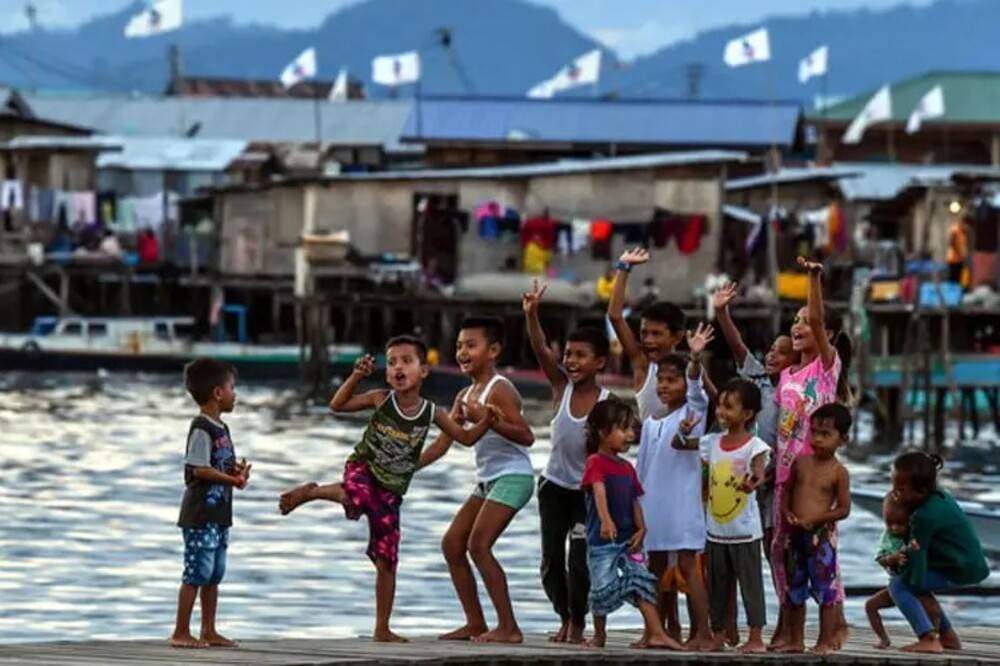
In Malaysia, this issue stands out prominently in regions such as Sabah and Sarawak, home to stateless communities that have persisted for generations, often lacking formal acknowledgment and deprived of fundamental rights.
These marginalized groups suffer unnoticed, highlighting a wider regional hesitance to openly address the problem.
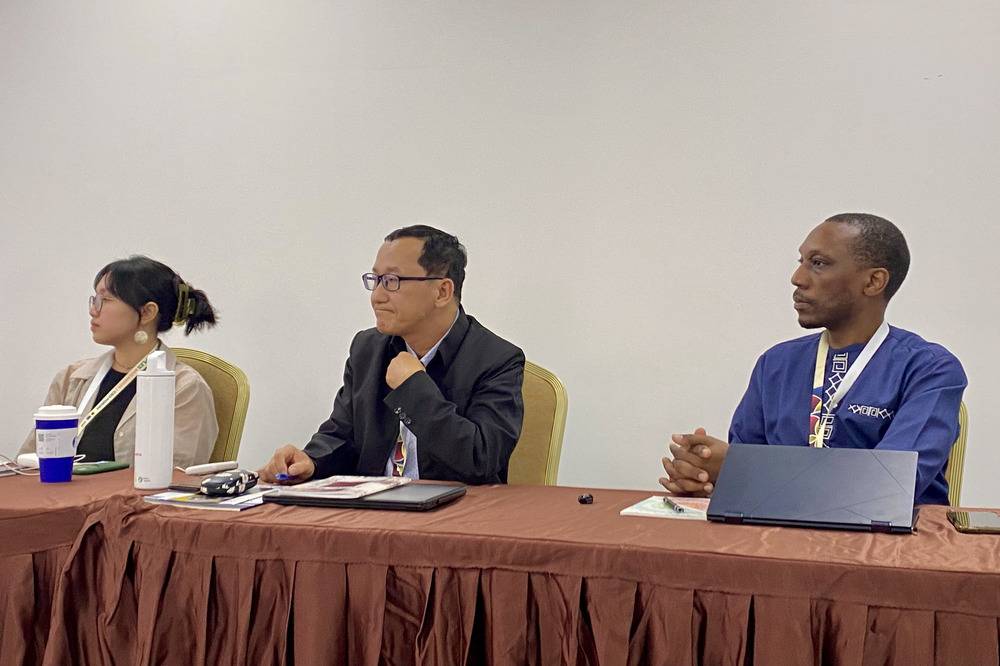
At the "Empowering Stateless Voices: Policy Innovations and Best Practices for Legal Documentation" conference held at Wisma MCA in Kuala Lumpur, human rights activists from across Southeast Asia gathered to explore regional viewpoints and the difficulties encountered by stateless groups within their own nations.
The event highlighted both the shortcomings in policies and the entrenched societal views that render stateless individuals unseen and marginalized.
Elvis Walemba of Adventist Development and Relief Agency (ADRA) Thailand stated that in many cases, there is a sense of denial; people refuse to acknowledge that stateless communities even exist within their own country.
As long as this acknowledgment doesn’t occur, stateless people stay unseen. For instance, in Thailand, the number of stateless individuals is surprisingly large; however, numerous residents are oblivious to their existence.
“Even when it comes to refugees, most people are surprised to learn that Thailand hosts them at all. Interestingly, the government sometimes advises against bringing too much attention to the issue, citing concerns about public backlash. This reticence is linked to a prevailing local sentiment questioning, ‘Why are our resources going to people who are not citizens? Why are they benefiting?’” Walemba said.
Walemba highlighted the misunderstanding central to this perspective: frequently overlooked is the fact that numerous Stateless persons possess strong connections to the nation.
In numerous aspects, they function as citizens; however, they haven’t received formal acknowledgment or the associated privileges. Sadly, this often causes a broad adverse view towards stateless communities.
That being said, there are instances where empathy comes into play. When individuals confront the idea that someone they know well — like a neighbor or coworker — might be stateless, the story begins to change. It then ceases to be just an abstract issue and turns personal.
"Suddenly, the idea that ‘it could be you or me’ triggers a different kind of response. The real challenge is creating that awareness, helping people understand that stateless individuals are not outsiders, but part of the same society, often hiding in plain sight,” Walemba added.
Ariela Naomi Syifa of the Human Rights Working Group (HRWG Indonesia) discussed the complexity of attitudes in Indonesia.
She mentioned that certain local communities exhibit support towards stateless individuals, particularly those who are empathetic and caring, providing tangible help such as bartering products and giving minor work chances.
Nevertheless, she recognized a wider public unease across the nation concerning the influx of Rohingya refugees.
People wonder why the nation is welcoming foreigners and express concerns over how the administration will safeguard the interests of residents and fulfill their economic requirements.
She mentioned that this fear and competitive feeling pose major hurdles, since locals might believe refugees and stateless people have no place within the nation.
Syifa mentioned that online hate speech has increased significantly in Indonesia as well. Some social media profiles have been pretending to be the UNHCR Indonesia office just to disseminate provocative comments.
For instance, reports suggesting that refugees will be issued identification cards have sparked outrage, as locals question why these benefits should be extended to those who aren’t citizens.
"These prejudices and xenophobic sentiments are prevalent in Indonesia, presenting difficulties not just for advocates working on behalf of refugees and stateless individuals but also for the refugees themselves, who encounter increasing hostility and isolation," she stated.
Regarding a connected issue, Lav Bunrithy, who serves as the Peace Programme Manager for Women Peace Makers (WPM), provided insights shaped by intricate historical and ethnic factors.
He feels it boils down to comprehending whom these individuals are and if they have commonalities such as shared cultural, ethnic, or national roots with the community at large.
Bunrithy cited the example of Cambodia’s Muslim community, which makes up around 5 per cent of the population and was once stateless.
Despite their initial lack of citizenship after losing their kingdom to Vietnam, they ultimately sought sanctuary in Cambodia during previous periods of conflict.
In spite of differing beliefs, this community was embraced and integrated into our society.
“On the contrary, certain communities like the Vietnamese have never truly been embraced. They tend to be seen as outsiders or even as former adversaries,” he stated.
Bunrithy observed a generally negative local perception of stateless people shaped by economic and historical factors.
He states that a key element is economic rivalry.
“Refugees or stateless individuals often take up jobs for lower pay, which creates tension with local workers who feel their livelihoods are being threatened. So it is not just about cultural differences; economic pressures and historical grievances also play a big role in shaping public attitudes,” he added.


Post a Comment for "Invisible Lives: How denial fuels stateless suffering across Asean"