Coastal Threat Looms: Could Wipe Out 800,000 Years of History in Norfolk
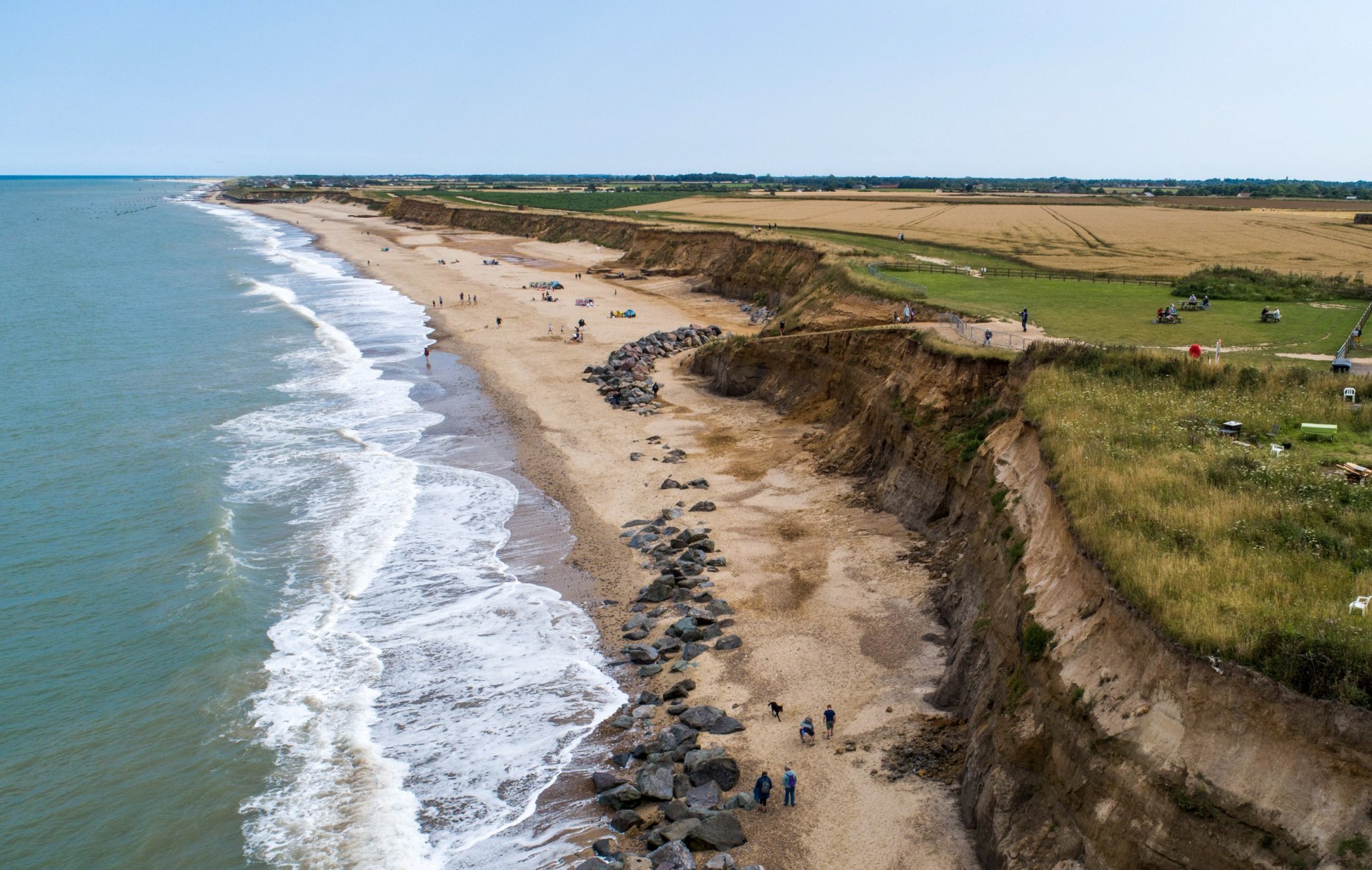
A beach estimated to be 800,000 years old along the coastline Norfolk is under threat of disappearing into the sea due to speeding up coastal erosion.
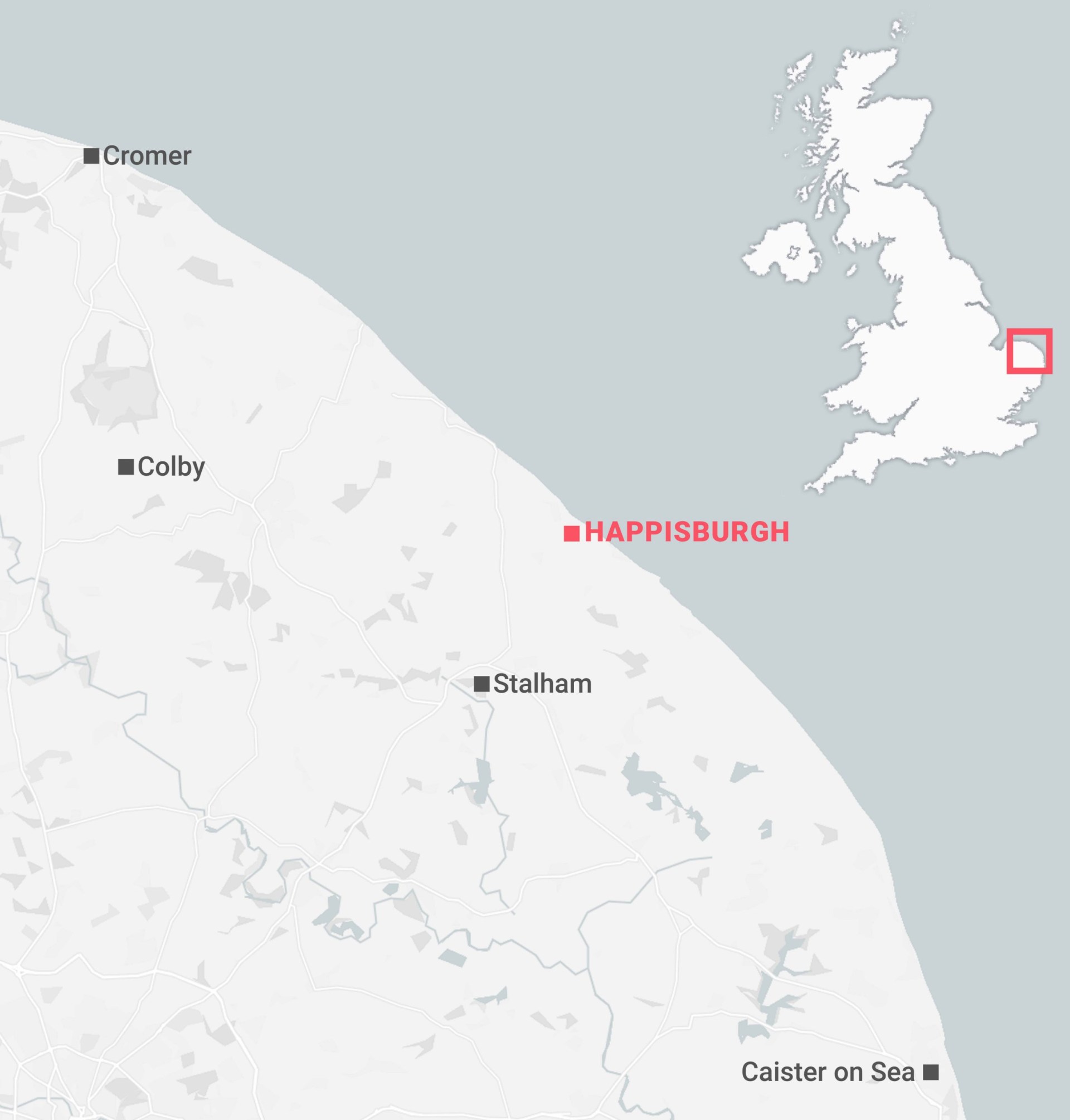
Specialists forecast that Happisburgh – which is home to approximately 1,400 residents – might vanish entirely by 2050.
The well-known coastal hamlet has already seen more than 250 meters of shoreline disappear since the 1990s.
Dr Ian Richards, a climate analyst and expert in UK coastal erosion, said the coastal erosion is already destroying the lives of some locals.
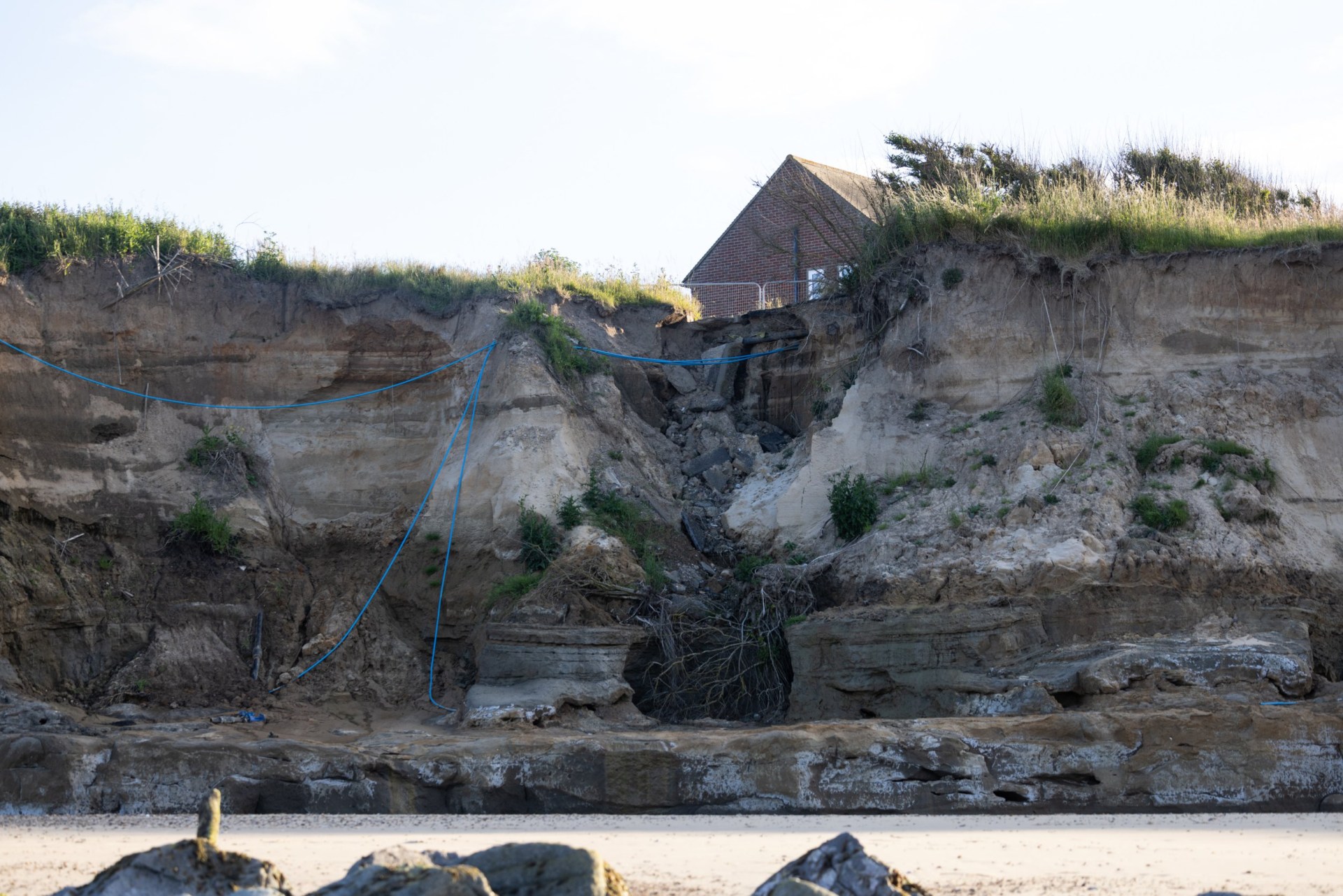
He stated: "The events occurring in locations such as Happisburgh are not merely predictions – they are processes that have already begun."
'Houses have crumbled, pathways have vanished, and the edge of the cliff is eroding more quickly than anticipated.'
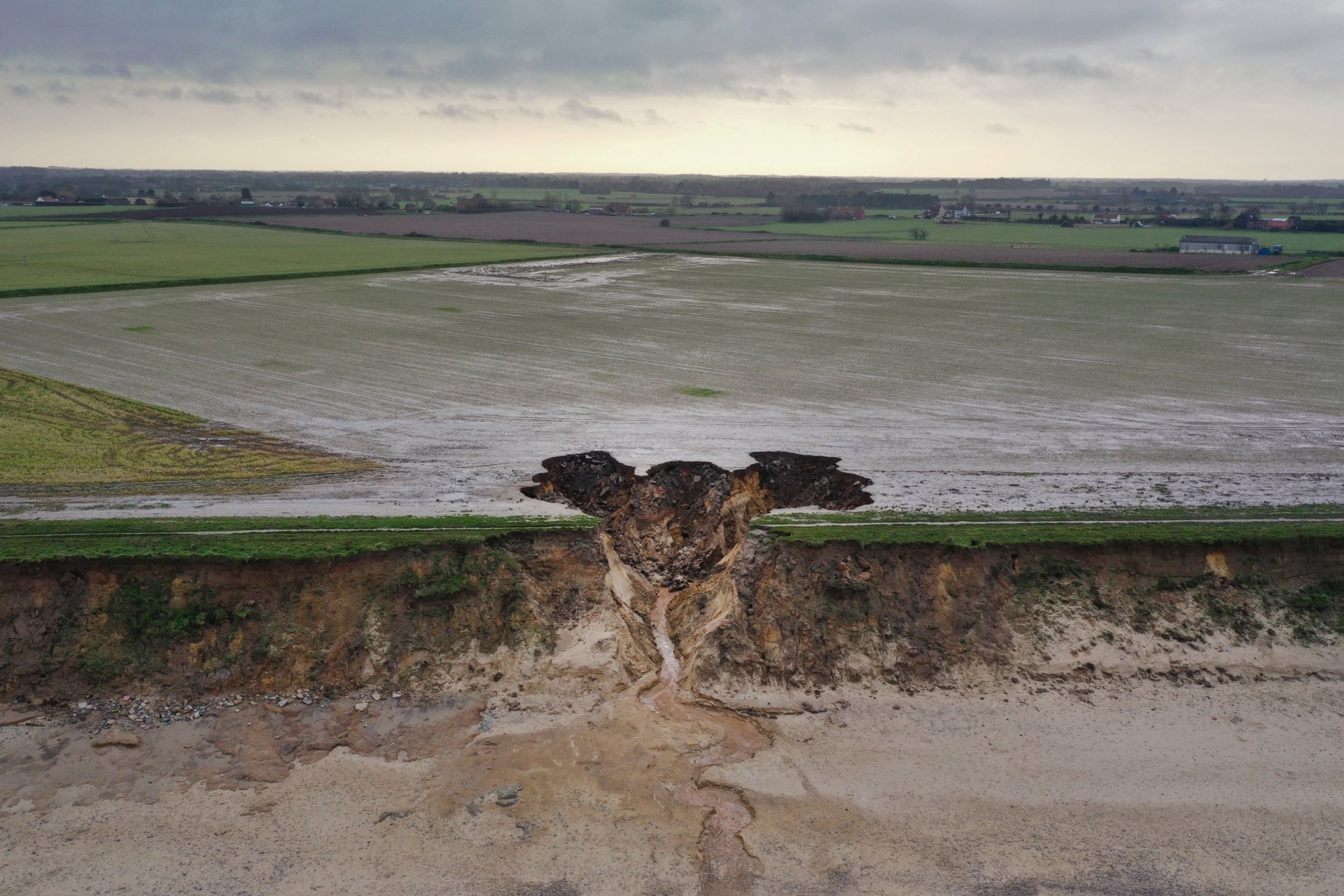
The hurried withdrawal from the coastline is due to the fact that the cliffs are composed of boulder clay, which erodes quite readily.
In Norfolk, erosion can reach up to 13 feet annually along certain coastal areas, putting over 200 settlements and towns in eastern England at risk.
Dr Richards explained: ‘Sea defences were built decades ago for a very different climate.
‘Currently, they cannot withstand the pressure we encounter year after year. And locations such as Happisburgh form part of our cultural legacy. ’
'We ought to go visit, lend our support to the community, and gain knowledge from it — for when it’s gone, it’s truly gone.'
Happisburgh gained national significance for archaeology when flint tools dating back 800,000 years were found there in 2010.
A couple of years afterwards, ancient human tracks emerged on the shoreline.
At that point, they represented the oldest traces of human footsteps found beyond Africa.
Currently, Happisburgh features a coastline stretching for miles that attracts many visitors, along with being home to the oldest operational lighthouse on the Norfolk Coast.
Even with the issue of coastal erosion, many people remain hopeful about the beach’s future.
Maria Jennings, who owns a nearby bed and breakfast, remarks: "We understand the dangers, yet we're equally aware of the allure. Visitors come here to unwind, relish the shoreline, and explore the coastline."
Although one visitor, Emma Cartwright, aged 41 from Birmingham, mentioned: “We visit each summer. It’s picturesque and peaceful—like going back in time.”
'You recognize the erosion, yet that only deepens your appreciation for it. Each journey is treated as though it could be our final one.'
Several shorelines in the UK are facing significant damage due to coastal erosion.
The Holderness coastline, composed of boulder clay, is among Europe’s most rapidly eroding shorelines.
It recedes at an approximate pace of six feet each year.
Although numerous cliffs in the UK consist of boulder clay, some are formed from more stable materials like chalk, for instance, the Seven Sisters cliffs located in Suffolk. Other examples include formations made of limestone or sandstone.
Contact our news team by sending an email to webnews@.co.uk .
To read more stories like this, check our news page .
Stay up to date with the stories everybody’s talking about by signing up to 's News Updates newsletter.


Post a Comment for "Coastal Threat Looms: Could Wipe Out 800,000 Years of History in Norfolk"