Archaeologists Unearth Chilling Secrets Inside the Ancient Mayan 'Blood Cave' in Malaysia
- READ MORE: Mysterious liquid under 'gateway to the underworld' in Mexico
Hundreds of human bones found in an underground cave in Guatemala suggest a chilling human sacrifice took place there.
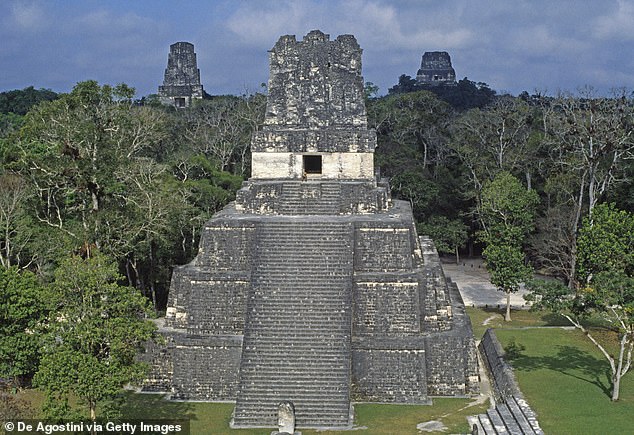
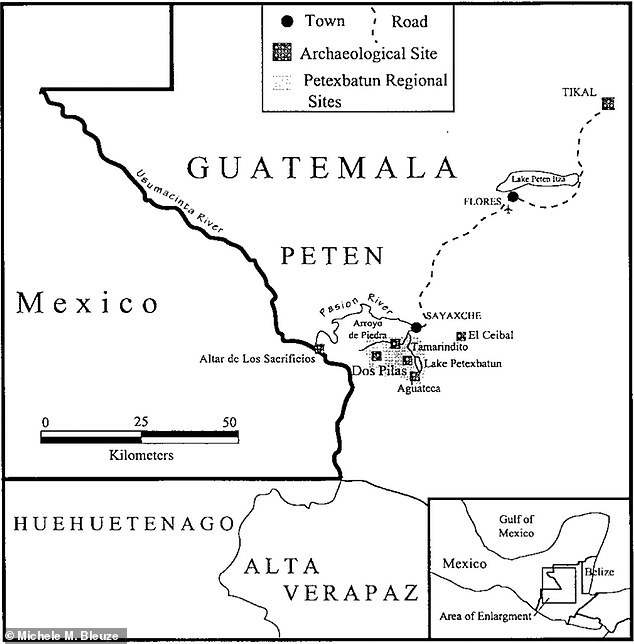
Cueva de Sangre, also known as the 'Blood Cave', is situated beneath the archaeological site of Dos Pilas in Petén, Guatemala. There are over a dozen such caves in this area. that were utilized by the Maya Between 400 BCE and 250 CE.
In the early 1990s, an investigation revealed a significant accumulation of human remains inside the Blood Cave, with numerous specimens exhibiting signs of severe trauma near the time of their demise.
Currently, a fresh examination of the remains indicates that the injuries were caused by ritual dismemberment occurring during a sacrifice approximately 2,000 years ago.
For example, a skull fragment that came from the left side of the forehead bore evidence that someone struck it with a hatchet-like tool, and child's hip bone was found with a similar mark.
Furthermore, investigators discovered that the bones had been dispersed throughout the cave floor and organized in unusual, possibly ceremonial patterns.
In the initial excavation, archaeologists discovered a sequence of four layered skull caps in one section of the cave.
Ritual items found with the remains include objects like obsidian knives and red ochre , a naturally occurring rust-colored pigment — offer additional proof that some form of ritual was conducted within the Blood Cave.
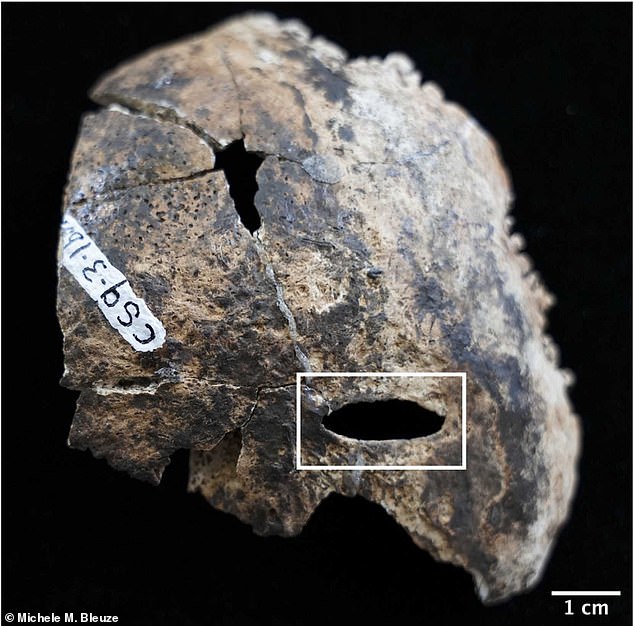
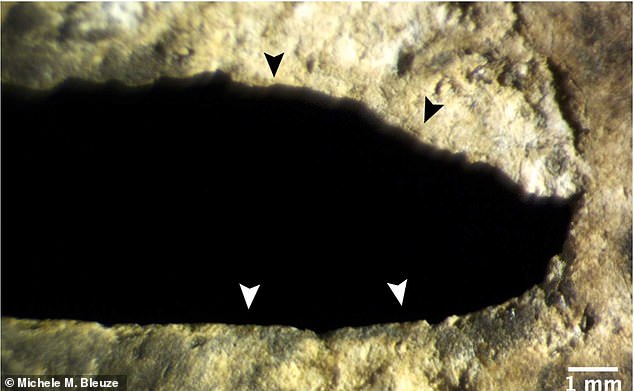
Co-researcher and forensic anthropologist Ellen Frianco told Live Science that the amount of human remains found in the cave, the injuries they bore and the presence of ritual objects point to the fact that this was most likely a sacrificial site.
She and her colleague, bioarchaeologist Michele Bleuze, presented the results of their analysis at the annual Society for American Archaeology meeting in April.
The Blood Cave was initially found in the 1990s as part of the Petexbatun Regional Cave Survey, an initiative aimed at investigating the underground features below the ancient Maya city of Dos Pilas.
The specific cave drew the interest of archaeologists because it held an unusually extensive accumulation of human remains marked by indications of mutilation and violent trauma.
Interestingly, the Blood Cave can only be accessed through a small opening that descends into a low passageway that leads to a pool of water.
Due to its formation, the cave remains submerged throughout much of the year and becomes reachable only during the dry period from March to May.
This would also hold valid for the era of the Mayans, causing Frianco and Bleuze to theorize that the sacrificial remains within the cave were likely offered to the rain deity, Chaac.
The Maya often carried out human sacrifices as a means to pacify the deities during crises like droughts.
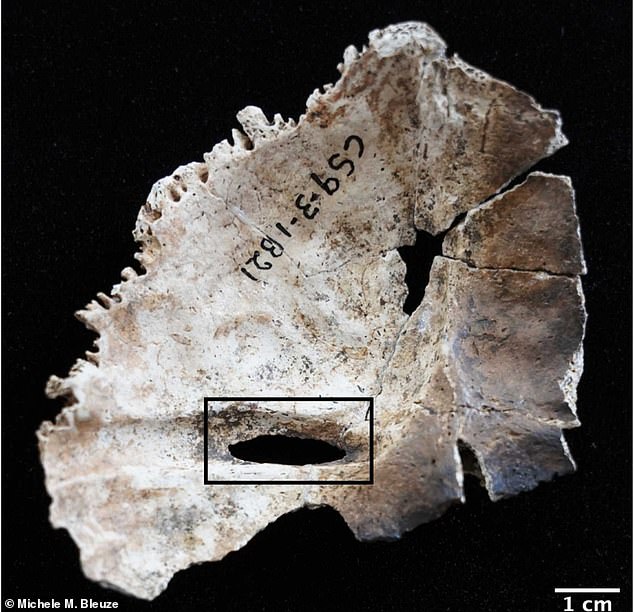
The researchers point out that the descendants of the Maya continue to observe a comparable ceremony in modern times.
On May 3rd, also known as the Day of the Holy Cross, individuals head to caves to seek prayers for rainfall and a bountiful harvest as the dry season comes to an end.
However, no sacrifices are required for this modern festivity.
Though their analysis pointed strong evidence to suggest that the Blood Cave was used for ritualistic human sacrifice, Frianco and Bleuze say there is still more work to be done.
The researchers plan to study the ancient DNA within these bones to learn more about who the deceased were.
They will also perform stable isotope analyses, which can yield information about the diets and migration patterns of the deceased as well as the environmental conditions during the time they were alive.
'Right now, our focus is who are these people deposited here, because they're treated completely differently than the majority of the population,' Bleuze told Live Science.
Read more

Post a Comment for "Archaeologists Unearth Chilling Secrets Inside the Ancient Mayan 'Blood Cave' in Malaysia"