Glimpsing Malaysia's Past: A Journey Through Time
KUALA LUMPUR: Normally a serene spot for contemplation, Muzium Negara was teeming with a varied audience attracted by the complimentary entry offered on International Museum Day.
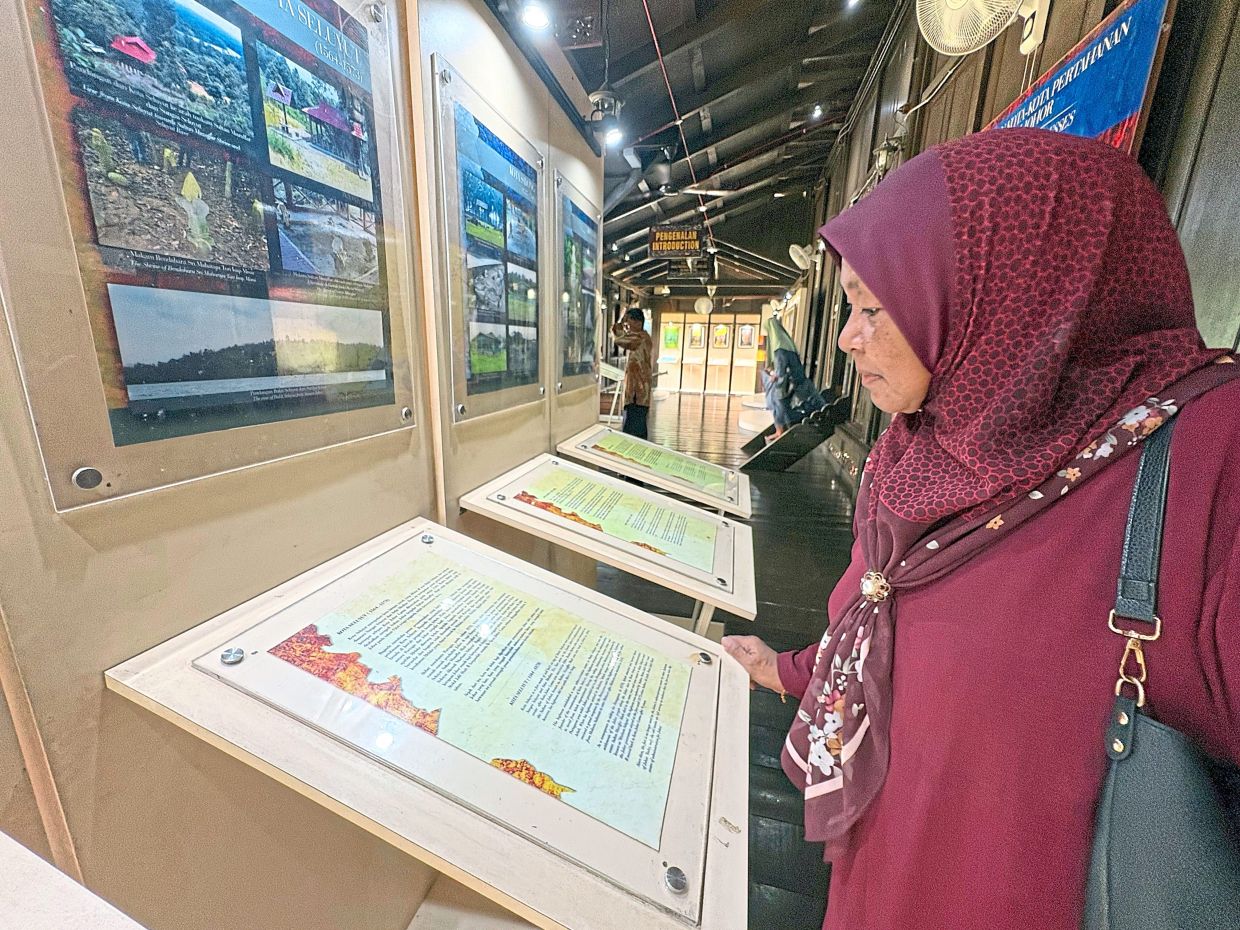
Yesterday’s visitors, comprising students, travelers, and enthusiasts of history, delved into its vast collection—some aiming for enlightenment, others yearning for nostalgic memories, with many merely eager to observe the artifacts.
“This is my first time here,” stated Cynthia, who was with her spouse Thomas and their child.
The openness of the museum allowing everyone in without an entrance fee gave off a warm feeling.
To her surprise, it wasn't old weaponry or royal treasures that caught her attention; instead, it was a vintage metallic purse labeled "Dompet Bertali" or Pillow Purse that fascinated her.
Its delicate plant engravings and long strap gave it a strikingly modern look.
“It’s the kind of handbag I’d actually wear. It’s vintage and elegant,” she exclaimed, wishing for replicas in the gift shop.
Like numerous museums nationwide, Muzium Negara welcomed visitors without charge yesterday as part of an extensive national program encompassing 19 museums managed by the Department of Museums.
The aim was to encourage individuals to rediscover history, and maybe view their heritage from a fresh perspective.
Zaliza Mustapha, a young local tourist in her twenties, found herself captivated by a wooden sculpture depicting a man with long hair, a rounded belly, bare feet, and an unperturbed demeanor.
"Oh, that was a symbol of wealth back then, right? Look at that playboy!" Her laughter reverberated across the gallery, eliciting chuckles from the surrounding visitors.
It’s these kinds of issues that make you recognize just how much and yet how little we have transformed. Standards of beauty, emblems of power...they may change over time, but they constantly mirror the era.
Nearby, tiny animal figurines made of silver – one resembling a rooster mid-strut, the other an insect with curved legs and a stout body – caught people’s attention and surprised them, as these were once used as currency in Selangor.
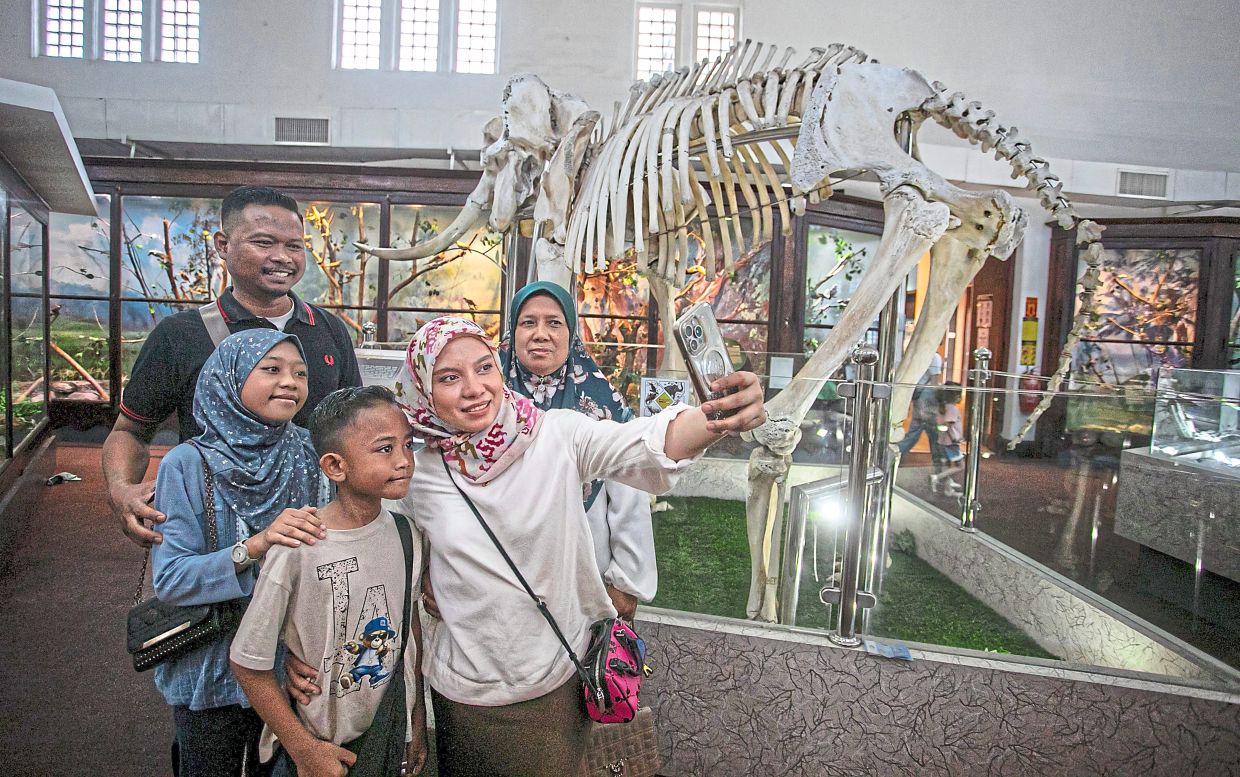
“I always assumed old currency was just boring coins,” said Muhammad Afif, a mechanical engineer who visited with his family.
"It's as though folks in those days didn't distinguish between functionality and aesthetics. Their currency even possessed character. Picture this cockerel perched in somebody's pocket as they head to the marketplace," he laughed.
Although the ancient relics brought joy to numerous visitors, some were instead captivated by the museum’s more contemporary past.
The initial 1976 ASEAN Concord — signed in Denpasar, Bali, by leaders such as Malaysia’s Tun Hussein Onn, Singapore’s Lee Kuan Yew, and the Philippines’ Ferdinand Marcos — is exhibited next to a translation of an affirmation expressing the group's dedication to peace, legal principles, and regional collaboration.
"It’s impressive. To view the genuine signatures of these leaders... it makes you realize that unity isn’t automatic. It requires someone to determine that it’s worthwhile," stated another visitor, Karim Abdul Rahman, a retired educator.
Across the museum, parents captured moments with photographs, kids posed inquiries, and senior guests reflected on memories.
“Amidst our digitized landscape, there’s an anchoring effect when we traverse history tangibly — experiencing the passage of time not through screens, but via materials like metal, wood, fabric, and print,” Karim mentioned.
In another section, a cluster of international visitors gathered near an eye-catching exhibit featuring two sizable congkak boards shaped like boats, intricately crafted to resemble birds.
Peter, who visited from the Netherlands, mentioned, "We came across a post regarding International Museum Day on social media."
“We waited specifically to come today. It’s such a lovely way to spend the afternoon.”
The vibrant, bird-shaped congkak boards particularly captivated younger visitors, prompting explanations of the traditional Malay game.
By midday, the museum was abuzz with visitors, as hundreds queued to experience the stories, artefacts and quiet grandeur within its halls.
Museum staff moved between groups, offering explanations about the exhibits, while translators were on hand to for foreigners.
The National Museum arranged various events for guests throughout the day.
This encompassed classic games, STEM exercises, do-it-yourself sessions, and cultural shows such as the Magunatip bamboo dance, collectively infusing a lively element into the festivities.


Post a Comment for "Glimpsing Malaysia's Past: A Journey Through Time"